
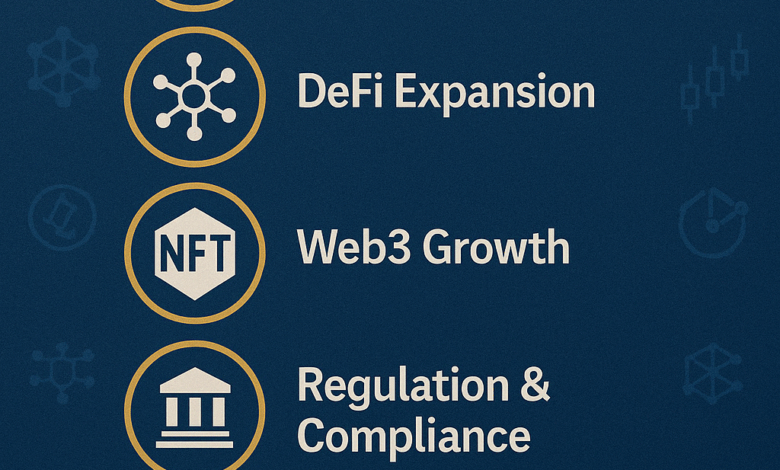
The cryptocurrency landscape is evolving at a rapid pace, with new regulations set to shape the market by 2025. As more countries adopt frameworks to govern digital currencies, understanding these changes is crucial for investors and stakeholders in the crypto space. This article delves into the top crypto regulations to watch in 2025 and their implications.
What are the key crypto regulations to monitor in 2025?
With the increasing popularity of cryptocurrencies, several key regulations are emerging globally. In 2025, it’s essential to keep an eye on the European Union’s MiCA regulation, which aims to create a comprehensive framework for crypto assets. This regulation seeks to enhance transparency and protect investors, setting a precedent for other regions.
Countries like the United States are also expected to implement stricter guidelines concerning anti-money laundering (AML) and know your customer (KYC) protocols. These changes will require exchanges and financial institutions to adopt new compliance measures.
Moreover, nations such as China continue to evolve their stance on cryptocurrencies. With ongoing crackdowns on crypto mining and trading, understanding their regulatory environment will be crucial for investors looking to navigate potential market disruptions.




In addition, countries like Singapore and Switzerland are leading the charge with their progressive regulations. These nations are creating a favorable environment for blockchain technology and cryptocurrency development, attracting global investments.
Which countries are leading in crypto regulation in 2025?
As we approach 2025, several countries are emerging as leaders in the regulation of cryptocurrencies. Notably, the European Union is taking significant steps to unify regulation across its member states. The MiCA framework is expected to create a robust environment for crypto transactions, which will influence how other regions formulate their policies.
Countries like Switzerland and Singapore are recognized for their welcoming stance towards crypto innovation. Switzerland’s regulatory framework provides clarity for businesses, while Singapore’s Monetary Authority is actively working to create a conducive environment for blockchain technology.
Moreover, the United States continues to grapple with its regulatory landscape. As various states adopt their own measures, the federal government is expected to establish a more cohesive regulatory framework by 2025, impacting major cryptocurrencies like Bitcoin and Ethereum.
Finally, emerging markets are also beginning to establish regulations. Nations in Africa are exploring frameworks to support cryptocurrency adoption while addressing concerns about fraud and security.
How do regulatory changes impact the crypto market?
Regulatory changes significantly shape the crypto market, influencing everything from investor confidence to market volatility. When governments introduce clear regulations, it helps to foster trust among investors, leading to increased participation and investment.
For instance, the implementation of compliance measures such as KYC and AML can help legitimize the crypto industry, driving institutional investments. This, in turn, can lead to a surge in the value of major cryptocurrencies.
Conversely, regulatory uncertainty can create market fluctuations. For example, sudden crackdowns or unfavorable regulations can lead to panic selling, negatively impacting prices. Investors should remain vigilant and informed about the evolving regulatory landscape to make sound investment decisions.
Furthermore, regulations can also impact the development of new technologies in the space. For instance, as decentralized finance (DeFi) continues to grow, the regulatory environment will play a critical role in determining how these platforms operate and interact with traditional financial systems.
What are the challenges of implementing crypto regulations?
Implementing crypto regulations poses several challenges for governments and regulatory bodies. One major hurdle is the pace of technological advancement, which often outstrips the ability of regulators to establish comprehensive frameworks. This can lead to gaps in regulation and enforcement.
Another challenge is the global nature of cryptocurrency. Digital currencies operate across borders, making it difficult for individual countries to create effective regulations without international cooperation. Discrepancies in regulations can also lead to regulatory arbitrage, where businesses relocate to jurisdictions with laxer rules.
Moreover, there is often resistance from industry stakeholders. Many players in the crypto space advocate for minimal regulation, arguing that excessive rules could stifle innovation. Balancing regulation with the need for growth and security remains a key challenge.
Lastly, the lack of understanding and expertise among regulators regarding cryptocurrency technologies can hinder effective policy-making. Continuous education and collaboration with industry experts are essential for developing robust regulatory frameworks.
How is institutional adoption influencing crypto regulations?
Institutional adoption is a driving force behind the evolution of crypto regulations. As more traditional financial institutions invest in cryptocurrencies, there is a growing demand for clear regulatory guidelines. This push for regulation is aimed at ensuring the safety and security of investments.
For instance, investment firms and banks are advocating for regulations that facilitate their participation in the market. As institutional investments in cryptocurrency grow, regulators are compelled to address concerns related to market manipulation and fraud.
Moreover, the entry of institutional players has led to increased scrutiny of existing regulations. Regulatory bodies are now more focused on creating frameworks that can accommodate these large-scale investments while protecting retail investors.
In addition, institutional adoption is influencing the development of financial products linked to cryptocurrencies. As firms create new investment vehicles, such as exchange-traded funds (ETFs), regulatory agencies are tasked with ensuring these products comply with existing laws, further shaping the regulatory landscape.
What are the future trends in global crypto regulations?
Looking ahead, several future trends are expected to shape global crypto regulations by 2025. One prominent trend is the move towards greater transparency and accountability in the crypto space. Regulatory bodies are likely to implement stricter disclosure requirements for crypto exchanges and projects.
Another trend is the integration of cryptocurrencies into traditional financial systems. As central banks explore the possibility of Central Bank Digital Currencies (CBDCs), regulations around cryptocurrencies will need to adapt to accommodate these innovations.
Furthermore, the rise of DeFi and NFTs is prompting regulators to rethink existing frameworks. Expect to see tailored regulations addressing the unique characteristics of these sectors, aiming to protect consumers while fostering innovation.
Additionally, environmental concerns related to cryptocurrency mining are also becoming a focal point. Regulations aimed at reducing the carbon footprint of mining operations may emerge, particularly in regions where energy consumption is a pressing issue.
How can investors navigate the evolving regulatory landscape?
Navigating the evolving regulatory landscape requires vigilance and adaptability from investors. First and foremost, staying informed about changes in regulations is crucial. Investors should regularly review updates from regulatory bodies and industry news to understand how these changes affect their investments.
Moreover, diversifying investments across different cryptocurrencies can mitigate risks associated with regulatory changes. By not putting all eggs in one basket, investors can cushion the impact of adverse regulations on specific coins.
Engaging with reputable exchanges and platforms that prioritize compliance is also essential. These platforms typically have robust mechanisms in place to adapt to regulatory changes, ensuring that investors are protected.
Lastly, seeking professional advice from financial advisors knowledgeable in cryptocurrency regulations can provide valuable insights. With the complexities of the regulatory environment, having expert guidance can help investors make informed decisions aligned with their goals.
Related questions about cryptocurrency regulations
Which crypto will be highest in 2025?
Predicting which cryptocurrency will be the highest in 2025 is challenging due to the dynamic nature of the market. However, major players like Bitcoin and Ethereum are likely to maintain strong positions due to their established networks and large market capitalizations. Additionally, newer projects such as Solana are gaining traction, potentially leading to significant growth.
Which crypto will give 1000x in the future?
While some investors hope for a 1000x return, such gains are rare and often associated with high-risk investments. Emerging cryptocurrencies and innovative projects in the DeFi or NFT space may offer potential for exponential growth, but thorough research and caution are necessary.
Which crypto is best for the next 5 years?
Choosing the best cryptocurrency for the next five years involves considering various factors such as technology, team, and market trends. Established coins like Bitcoin and Ethereum remain strong contenders, while newer, promising projects should be evaluated based on their development and adoption potential.
Which crypto will 100x in 5 years?
Identifying a cryptocurrency that will achieve 100x growth in five years requires careful analysis of upcoming trends and market dynamics. Projects with innovative solutions, strong use cases, and a solid community backing may present opportunities for substantial returns, but investors should conduct thorough due diligence.

